Donor management and thanking donors: a practical guide for small nonprofits
Keep the donors you win. This guide covers donor records, a prompt and personal thank-you routine, the IRS acknowledgment rules for gifts of $250 or more and disclosures over $75, simple donor segments and retention tracking.
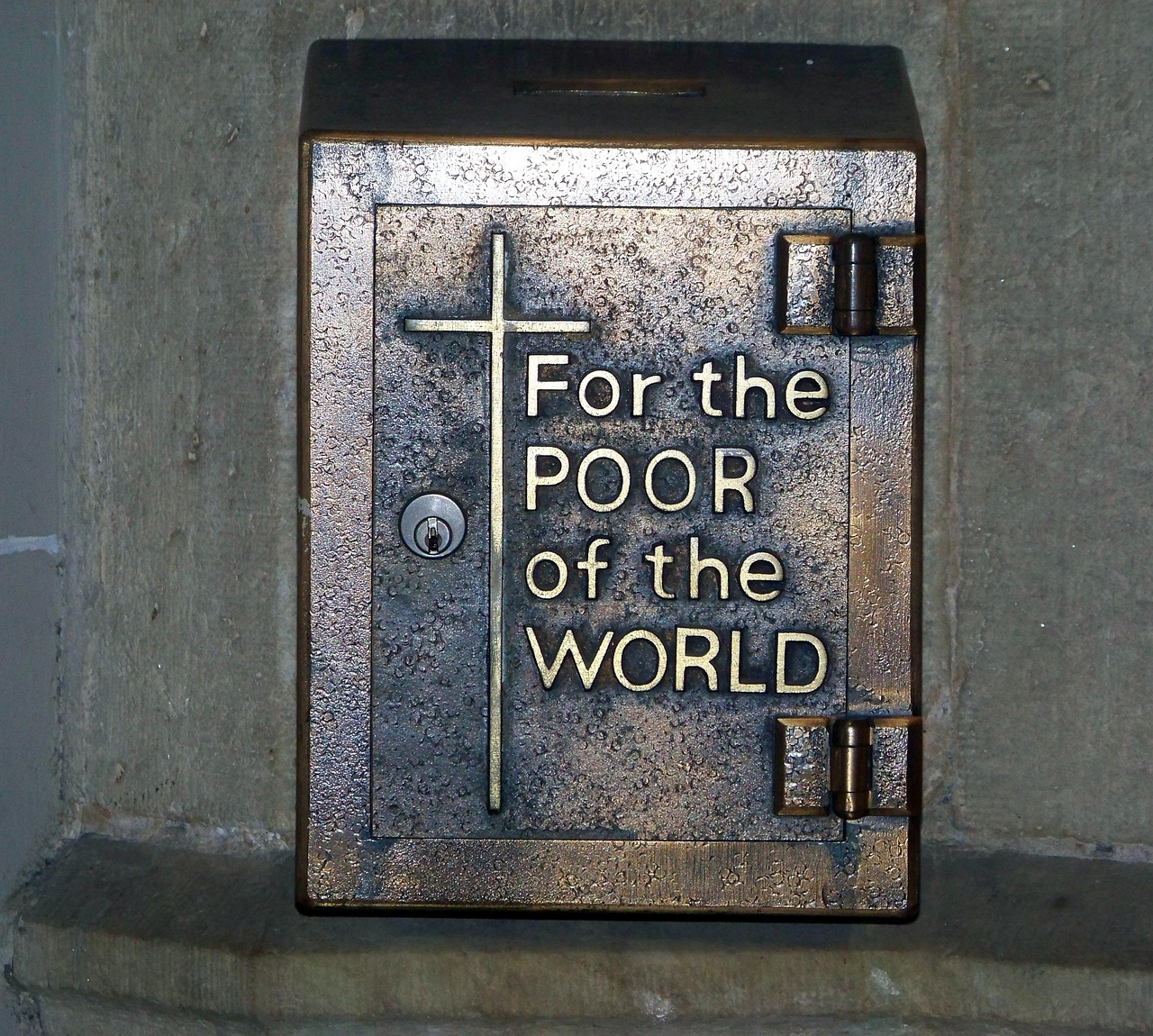
A donor who gives once is a stranger who has done you a favor. A donor who gives again is a relationship. Most small nonprofits spend nearly all their energy finding new donors and far too little keeping the ones they have, partly because gifts live in a bank statement, an email inbox and a spreadsheet nobody trusts.
This guide explains donor management for small nonprofits: what to record, how to thank donors in a way they remember, what the IRS expects you to put in your receipts, and how to measure whether people stay. It is general information, not tax or legal advice, so check the specifics with your accountant.
Why keeping donors matters more than finding them
The Fundraising Effectiveness Project, which tracks data from many US nonprofits, reported on 2025 results that overall donor retention was about 43.3%, up slightly from 43.1%. In the same report, the number of donors fell 3.6% while total giving rose 5%, and researchers noted donor counts had declined for five straight years. Small donors, those giving $500 or less a year, declined fastest.
Read plainly: money is increasingly coming from fewer people. For a small organization that depends on many modest gifts, that is a warning to treat every donor as someone worth keeping. Retention is simply the share of last year's donors who gave again this year, so even a few percentage points matter over time.
Build a donor record that is actually useful
What to capture for every gift
- Who: name, mailing address, email and phone, plus how they prefer to be contacted.
- What: amount, date, payment method, fund or campaign, and whether it is a pledge, one-time or recurring gift.
- Why and how: the appeal, event or person who prompted it.
- Goods or services received: anything of value you gave in return, such as a dinner or auction item.
- Notes: why they care, who they know, what you promised.
Keep it in one place
Use one list as the source of truth, whether a simple CRM or a well-kept spreadsheet. Give each donor a single record, merge duplicates, and decide who may edit. Restrict access so volunteers cannot see more donor data than their role needs, and never share the list without a clear policy. Be careful with email: follow the sending rules for marketing email and honor unsubscribe requests.
The IRS rules your receipts must follow
Donors need paperwork to claim a deduction, and charities have duties of their own. These are the basics; confirm details with the IRS pages linked here.
The written acknowledgment for gifts of $250 or more
The IRS says that for a charitable contribution of $250 or more, the acknowledgment should include the organization's name, the amount of any cash gift, a description (not the value) of any non-cash gift, and a statement saying whether any goods or services were provided in return, with a description and good-faith estimate of their value if so. A separate IRS summary of substantiation and disclosure requirements explains that the donor is responsible for requesting and obtaining the acknowledgment, and must have it by the earlier of the date they file their return for that year or the return's due date, including extensions.
In practice, most charities send the acknowledgment automatically, within a week or two and well before year end filing. Doing so protects your donors and shows professionalism.
The disclosure for payments over $75 that include something in return
When a donor pays more than $75 and receives something in return, such as a gala ticket, the charity must give a written disclosure. The IRS explains quid pro quo contributions this way: the statement must tell the donor that the deductible amount is limited to the amount paid above the fair market value of what they received, and give a good-faith estimate of that value. The penalty for failing to disclose is $10 per contribution, capped at $5,000 per fundraising event or mailing, unless you show reasonable cause. Example from the IRS: a $100 gift with a $40 concert ticket leaves $60 deductible.
A simple receipt checklist
- Organization name and EIN.
- Donor name and gift date.
- Cash amount, or a description of non-cash items (without a value).
- A statement of goods or services received, or that none were.
- A good-faith value estimate where something was given in return.
- For non-cash gifts or vehicles, extra IRS requirements may apply; ask your accountant.
Thank donors in a way that sticks
Speed and personal touch
A prompt receipt satisfies the rules; a thank-you shows you care. Separate the two if you can. Send the receipt automatically, then follow with a personal message within a few days. For first-time donors and larger gifts, add a call or handwritten note from a board member or the director.
What to say
Make it specific and short. Name the gift, say what it makes possible, and give one clear detail: "Your $50 helped us buy school supplies for two children this month." Avoid immediately asking for another gift in the thank-you itself.
Keep thanking after the gift
- Three weeks later: a short update on what happened.
- Quarterly: a story or number from your work.
- Anniversary: a note on the first gift anniversary.
- Year end: a summary of what all donors made possible, with a request framed around results.
Segment and plan a simple donor journey
You do not need a large database to personalize. Start with four groups: first-time donors, repeat donors, monthly donors and lapsed donors (no gift in 12 months or more). Each group gets a different message.
| Group | Goal | Example touch | |---|---|---| | First-time | Second gift | Thank-you call, welcome email series | | Repeat | Deepen loyalty | Impact update, invitation to visit | | Monthly | Keep giving steady | Annual summary, card-expiry reminder | | Lapsed | Reactivate | "We miss you" note with a recent result |
Review the groups twice a year. Track retention, average gift, how many first-time donors give again, and the share of revenue from the top ten donors, which shows how exposed you are if one leaves.
Common mistakes
- No receipt system. Late or incomplete acknowledgments cause donor frustration and tax problems.
- Forgetting the $75 disclosure for events and premiums.
- Only asking. Donors who hear from you only when you need money tend to disengage.
- Messy data. Duplicates and outdated addresses waste money and annoy people.
- Ignoring small and lapsed donors. The FEP data shows that small-donor numbers are where the sector is losing ground.
- Over-sharing donor information with volunteers or partners without a policy.
How WorkBOS can help
If your nonprofit uses WorkBOS, the CRM can hold contacts, deals and pipeline stages that you can adapt to donors and pledges, invoicing can produce documents with your details, and automations can queue reminders for follow-ups. AI agents can draft thank-you messages but act only with human approval, so a person reads each one first. It is a general business tool rather than a dedicated fundraising platform, so check that it fits your reporting needs; see pricing, the docs or the Academy. If you are setting up from scratch, our CRM setup guide applies, and so does follow-up without nagging.
Frequently asked questions
Q: Do I have to send a receipt for every gift? A: The IRS requires a written acknowledgment from the charity for the donor to deduct a gift of $250 or more, and many nonprofits send one for every gift as good practice. Check with your accountant.
Q: What is a good donor retention rate? A: Recent sector-wide data from the Fundraising Effectiveness Project puts overall retention around 43%. Your own rate depends on your donor mix, so track it yearly and look at first-time donors separately.
Q: What if a donor receives a dinner or gift for their donation? A: If the payment exceeds $75 and includes goods or services, you must give a written disclosure stating the deductible amount and the estimated value of what was given.
Q: How soon should we thank a donor? A: Send the receipt promptly and a personal thank-you within a few days. Speed matters more than polish.
Q: Can we use AI to write thank-you notes? A: It can draft them, but a person should review each message, check names and amounts, and add a personal line before sending.
Sources are linked in the text above: Internal Revenue Service, NonProfit PRO (Fundraising Effectiveness Project data).
Run it all from one place
Projects, clients, finance, people and AI employees in one system. Start free, no card needed.
Start free →