Small business bookkeeping basics: cash vs accrual and a monthly close checklist
Learn the difference between cash and accrual accounting, how to pick the method that fits your business, and follow an 11-step monthly close checklist that keeps your books accurate and your numbers trustworthy.
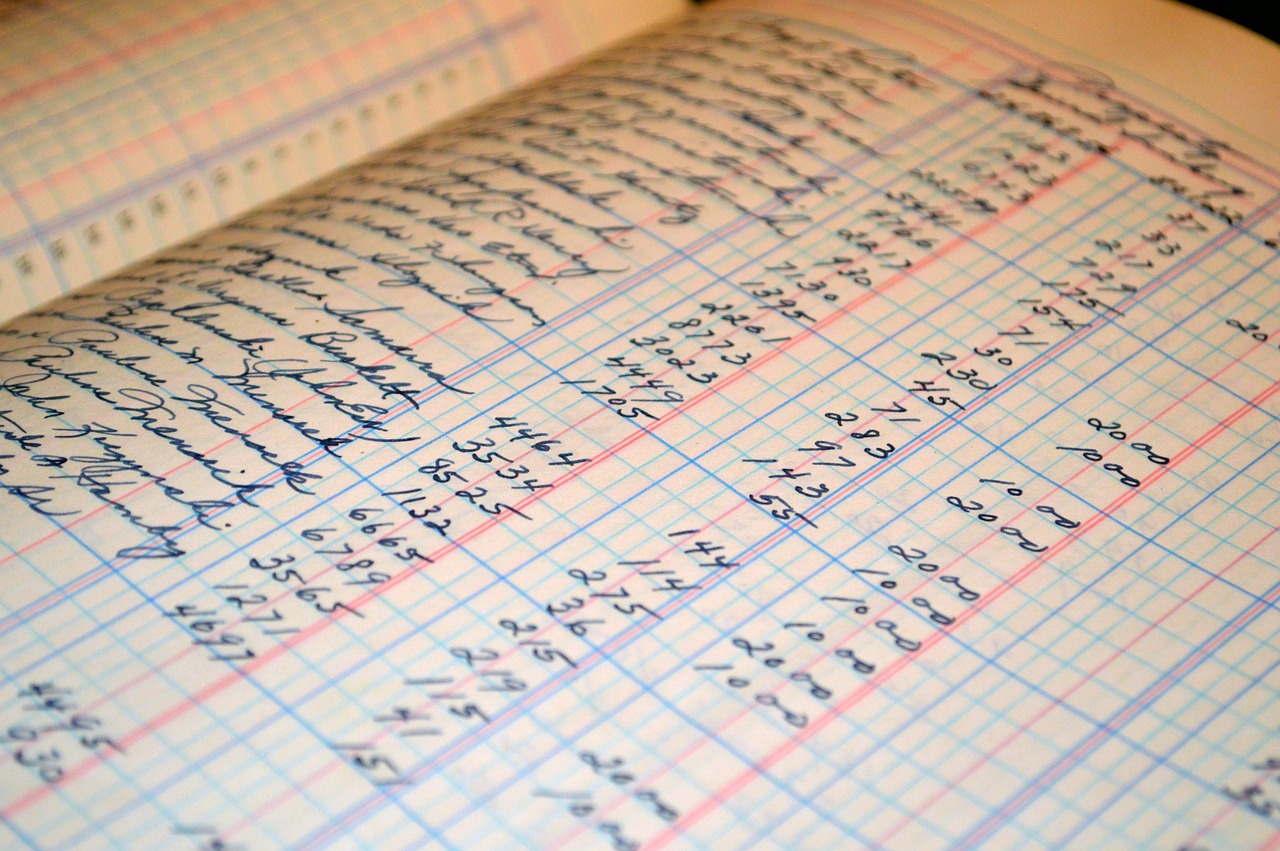
Bookkeeping is the habit of recording every sale and every cost so you can see, at any time, whether the business is actually making money. Most small business owners do not need to become accountants, but you do need to make two decisions early: which accounting method you will use, and what you will do at the end of every month to keep the books clean.
This guide explains the difference between cash and accrual accounting in plain terms, shows how to choose, and gives you a monthly close checklist you can copy. It is general information, not professional advice; check your own situation with a CPA or enrolled agent before you change methods or file anything.
Bookkeeping basics in plain language
Bookkeeping means recording transactions as they happen: money in (sales, deposits, refunds received) and money out (supplies, rent, payroll, software). Accounting then uses those records to produce reports, such as a profit and loss statement and a balance sheet.
The three habits that matter most
- Keep business money separate. The SBA says you need a business bank account regardless of how you take payment. Mixing personal and business spending makes every later step harder.
- Record transactions weekly, not yearly. Small, regular entries are quicker than a year-end pile.
- Give someone clear ownership. The SBA suggests assigning responsibility for tasks like bank reconciliation and payroll, even if that person is you.
For what paperwork to keep and for how long, see our guide on small business record keeping.
Cash vs accrual accounting
The accounting method decides when a sale or a cost counts. According to IRS Publication 538, under the cash method you generally report income in the year you receive it and deduct expenses in the year you pay them. Under the accrual method, income is generally reported when it is earned and expenses when they are incurred, regardless of when money changes hands.
| | Cash method | Accrual method | |---|---|---| | Sale is recorded when | Payment arrives | Work is done or goods delivered | | Cost is recorded when | You pay the bill | You receive the goods or service | | Unpaid invoices | Not counted yet | Counted as money owed to you | | Effort | Lower | Higher (receivables, payables) | | Best for | Simple service businesses, sole owners | Inventory, credit sales, outside financing |
Pros and cons
The U.S. Chamber of Commerce describes cash accounting as easy to use and clear about money in and out, but it can give an incomplete picture of what you owe and are owed. Accrual accounting gives a more accurate view of profitability and is often what lenders and buyers expect, but it adds administrative work.
A quick example
You finish a job in December and invoice $2,000. The client pays in January.
- Cash method: the $2,000 is income in January.
- Accrual method: the $2,000 is income in December, and you show $2,000 as money owed to you until it arrives.
Which one is allowed?
Many small businesses and individuals can use the cash method. Publication 538 sets a gross receipts test for corporations and partnerships, and the dollar limit is adjusted for inflation, so check the current figure in the publication. It also notes that if you produce, purchase or sell merchandise you generally need to keep inventory and use accrual for those purchases and sales, unless you qualify as a small business taxpayer under the same test. If you are unsure, ask your tax adviser rather than guessing.
Changing methods
Switching is possible but not casual. The Chamber's guide notes that changing mid-year generally needs IRS approval and that an adjustment may be required so income is not counted twice or missed. Plan any change with a professional, ideally at the start of a tax year.
Choosing the method that fits
Ask four questions:
- Do you hold inventory? If yes, accrual is likely required for those purchases and sales.
- Do you invoice on credit terms? If many clients pay 30 days later, accrual shows your real sales; cash shows only what has landed.
- Will a lender, investor or buyer want statements? They often prefer accrual-based reports.
- Who does the books? If it is you, between other jobs, the simpler method may be the one you actually keep up.
A common middle path: keep your books on accrual for management purposes, so you see receivables and payables, while a tax professional advises on the method used for your tax return.
The monthly close checklist
A "close" is the short routine that finishes a month so its numbers can be trusted. Aim for the 10th of the following month, and do it every month, even when it is quiet.
- Collect every statement. Download bank, credit card and loan statements for the month.
- Record all transactions. Make sure every sale, expense and transfer is entered and categorized.
- Reconcile each bank and card account. Your records should match the statement balance; investigate any difference.
- Review unpaid invoices. List what customers owe you and how old each invoice is.
- Review unpaid bills. List what you owe suppliers, and when each bill is due.
- Check payroll and contractor payments. Confirm they are recorded and that any related tax payments were made.
- Check sales tax collected. If you collect it, confirm the amount set aside matches what you owe (see our sales tax basics guide).
- Record adjustments. For example, prepaid costs, depreciation if your accountant uses it, and write-offs of invoices that will never be paid.
- Run your reports. Profit and loss, balance sheet, and a cash summary.
- Compare against your budget. Note large differences and the reason for each (see building a simple budget).
- Save and back up. File the reports and statements where you can find them later.
What a good month-end looks like
- Every bank account reconciles to the penny.
- No unexplained transactions are left in a "miscellaneous" bucket.
- You can answer three questions in a minute: how much did we earn, how much cash do we have, and who owes us money?
Common mistakes
- Mixing personal and business spending. It hides your real profit and complicates tax time.
- Skipping reconciliation. Small errors compound, and you will not spot duplicate charges or missed deposits.
- Treating cash in the bank as profit. Cash may include sales tax you owe, a customer deposit, or a loan.
- Switching methods without advice. A change can cause double counting or compliance problems.
- Letting it pile up. Eleven months of receipts is far harder than one.
- Not noting the reason for adjustments. Future you, or your accountant, will want to know why.
How WorkBOS can help
WorkBOS is not a replacement for a qualified accountant, but it keeps the pieces of a monthly close in one place. Invoicing and basic accounting let you issue invoices, track what is outstanding and see your income and costs, while project budgets versus actuals show whether a job is on plan. Roles and permissions control who can see the money side, and an audit log records changes. Documents, receipts and statements can sit in drives alongside the records they support. You can see what is included on each plan on the pricing page, and step-by-step help is in the docs and the Academy.
Frequently asked questions
Q: Can I use the cash method for my business? A: Many individuals and small businesses can. The rules depend on your structure, your gross receipts and whether you hold inventory, so check IRS Publication 538 or ask a tax professional.
Q: Do I need an accountant if I do my own books? A: Not necessarily for day-to-day entries. Many owners use a bookkeeper for routine work and a CPA for tax planning and year-end. The SBA notes a bookkeeper typically costs less than a CPA.
Q: How long should a monthly close take? A: For a small business with a few accounts, often one to three hours once the habit is in place. The first few months take longer while you tidy up categories.
Q: What is bank reconciliation? A: It means matching your own records to the bank's statement, line by line, so the balance agrees and any errors or missing items surface.
Q: Can I change from cash to accrual later? A: Yes, but the change should follow IRS rules and may need approval and adjustments. Talk to your tax adviser before you switch.
Sources are linked in the text above: IRS Publication 538, U.S. Small Business Administration, U.S. Chamber of Commerce.
Run it all from one place
Projects, clients, finance, people and AI employees in one system. Start free, no card needed.
Start free →