How to get paid faster: invoice terms and late-payment follow-up
Clear payment terms, prompt invoices and a calm reminder schedule fix most late payments. Learn which terms to use, what a good invoice contains, a copyable follow-up timeline, and when to escalate.
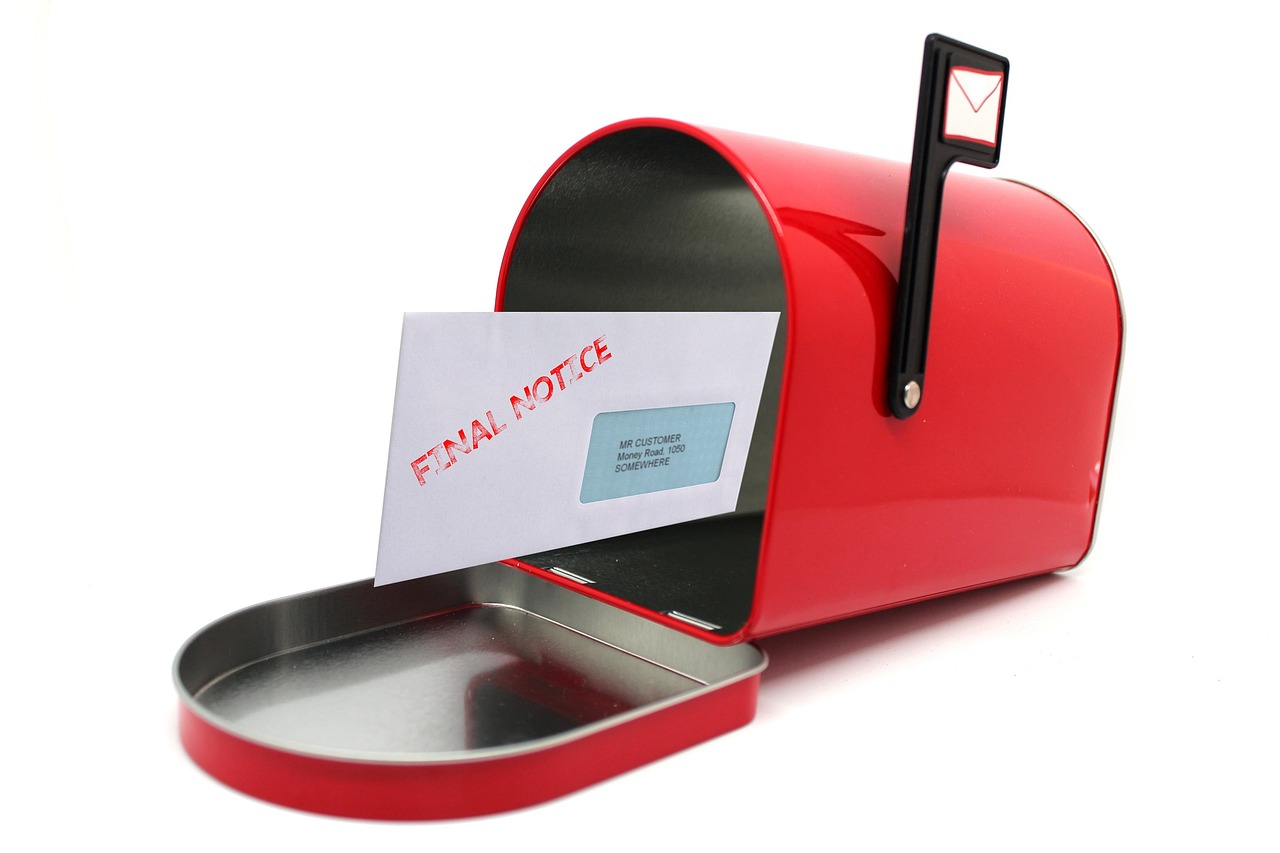
Doing the work is only half of earning the money. Until the payment lands, an unpaid invoice is a loan you have made to your customer, and small businesses rarely have spare cash to lend. Late payments squeeze payroll, delay supplier bills and force owners to chase money instead of serving clients.
The good news is that most late payment is preventable. Clear terms, prompt and accurate invoices, easy ways to pay and a calm, consistent follow-up routine fix most of it. This guide sets out each step, with a reminder schedule you can copy. It is general information, not legal advice; for large or disputed amounts, talk to a lawyer.
Why invoices get paid late
Xero's guide on late payment lists four common causes: unclear terms (vague wording such as "due upon receipt"), clients under their own cash flow strain, disorganized invoicing (late, wrong or incomplete invoices, for example one missing a purchase order number), and no consequences for paying late.
Notice that three of the four are within your control. That is where to start.
Set clear payment terms before work begins
Put terms in writing
Agree payment terms in your quote, contract or order form, not only on the invoice. State:
- The due date (a specific date is clearer than "on receipt")
- Accepted payment methods
- Any deposit or milestone payments
- Your late fee or interest policy, if you charge one
- Who the invoice should go to (accounts payable contact, purchase order number)
Choose the right terms
| Term | Meaning | Good for | |---|---|---| | Due on receipt | Pay immediately | Small jobs, retail, consumers | | Net 15 | Pay within 15 days | Faster collection from regular clients | | Net 30 | Pay within 30 days | Common default for business clients | | 2/10 Net 30 | 2% discount if paid within 10 days, otherwise full amount in 30 | Encouraging early payment, if margins allow |
Xero suggests considering shorter windows, such as Net 15 instead of Net 30, and early-payment discounts such as 2% for paying within 10 days, while checking the discount fits your margins.
Use deposits and milestones
For large or long projects, bill monthly or at milestones rather than at the very end. SCORE advises invoicing as soon as work is done and billing monthly or at project milestones for large or ongoing projects. For clients who repeatedly pay late, Xero suggests asking for a deposit or partial payment before starting new work.
Send invoices that get paid
A good invoice removes every excuse.
- Send it promptly. Invoice when work is delivered, not at the end of the month.
- Make it complete. Business name and contact details, invoice number and date, description of work, amount, due date, tax if applicable, and any reference or PO number the client needs.
- Make it easy to pay. Accept bank transfer (ACH), card and other methods your clients prefer, and include a payment link or clear bank details.
- Send it to the right person. Confirm who handles payables and put them on the invoice.
- Confirm receipt. A short message ("Invoice sent, due on the 30th, shout if you need anything") catches mistakes early.
A follow-up schedule you can copy
Consistency matters more than tone. A predictable routine feels fair to clients and saves you from awkward one-off decisions. A schedule suggested in Xero's guidance sends reminders three days before the due date, on the due date, and at seven and 14 days overdue; its chasing-invoices guide adds a formal demand around 30 days past due. Here is one way to apply it.
| When | Action | Tone | |---|---|---| | 3 days before due | Friendly reminder with invoice attached | Helpful | | Due date | "Payment due today" with payment link | Neutral | | 7 days overdue | Overdue notice, ask if there is a problem | Firm but polite | | 14 days overdue | Phone call or second notice, mention late fee if in your terms | Firm | | 30 days overdue | Formal demand letter with a deadline and next steps | Formal | | After the deadline | Pause new work, consider collections or legal advice | Business-like |
What to say
Keep messages short, specific and non-accusatory:
- State the invoice number, amount and due date.
- Attach the invoice again and include the payment link.
- Ask a direct question: "Can you confirm when payment will be made?"
- Keep a written record of every contact.
Phone beats email for stubborn invoices
Once an invoice is 14 or more days late, a call often reveals the real reason: a missing PO, an approval waiting on someone, or a cash problem. Each has a different fix.
Late fees, collections and legal options
Late fees
Apply a late fee only if your contract or invoice terms say so, and only after any grace period. Xero's guidance suggests telling the client the fee has been added, and checking your state's rules on permitted fees. Some owners find the fee matters less than the clear expectation.
Stopping new work
Xero's chasing guide suggests stopping new work until the balance is paid, so overdue invoices do not pile up. Do it politely and in writing, and only if your contract allows it.
Collections and debt law
If reminders fail, options include a formal demand letter, mediation, a collection agency (which typically takes a percentage of what it recovers) and, for larger sums, a lawyer or small claims court. Weigh the cost against the amount owed and the value of the relationship.
One point surprises owners: the federal Fair Debt Collection Practices Act defines "debt" in terms of obligations of a consumer arising from transactions primarily for personal, family or household purposes, as set out in the statute. Business invoices are generally outside that definition, though state laws may apply. Rules vary, so get legal advice before taking formal action.
Writing off bad debt
If an invoice will never be paid, record it as a bad debt and keep a note of every attempt to collect. Ask your accountant how to treat it for tax.
Common mistakes
- Vague terms. "Pay when you can" means "pay late."
- Invoicing late. Every day you wait pushes the payment date out by a day.
- Errors on the invoice. A wrong PO number or missing detail resets the clock.
- Chasing only when desperate. Ad-hoc, emotional messages damage relationships; a routine does not.
- Making it hard to pay. No payment link or only one method creates friction.
- Not tracking ageing. Know which invoices are 7, 14 and 30 days late at a glance; see how a cash flow forecast shows the effect.
- Letting one client become your bank. Cap exposure and ask for deposits.
How WorkBOS can help
WorkBOS can keep this routine in one place. Invoicing tracks what is sent, paid and overdue, the CRM keeps each client's contacts and history on the same record, and a branded client portal gives clients one place to see their invoices. Automations can send the reminder at three days before, on the due date and at seven days overdue, and AI agents draft follow-ups but act only after a person approves. Plans are listed on the pricing page, and set-up help is in the docs. For month-end checks of what is outstanding, see our monthly close checklist.
Frequently asked questions
Q: What payment terms should I use? A: Net 15 or Net 30 are common for business clients. Shorter terms speed up cash, but follow your industry norms and agree the terms in writing before work starts.
Q: Can I charge a late fee? A: Usually yes if your contract or invoice terms include it, but check your state's rules on permitted fees and apply it consistently after a grace period.
Q: How soon should I follow up on an unpaid invoice? A: Remind before the due date, again on the due date, and then at about seven and 14 days overdue. Earlier contact usually works better than waiting.
Q: Does the federal debt collection law protect my business invoices? A: The Fair Debt Collection Practices Act is written around personal, family and household debts, so business invoices generally fall outside it. State rules may apply, so ask a lawyer.
Q: When should I involve a collection agency or lawyer? A: After reminders and a formal demand fail, and when the amount justifies the cost. Keep a written record of all contact before you escalate.
Sources are linked in the text above: Xero, SCORE, Cornell Law School Legal Information Institute (U.S. Code).
Run it all from one place
Projects, clients, finance, people and AI employees in one system. Start free, no card needed.
Start free →