Loyalty and referral programs that work: a practical guide for small business
What makes loyalty and referral programs work for small businesses: choose a simple design, reward referrals honestly and within FTC guidance, run the routine without extra work, and measure whether customers really come back more often.
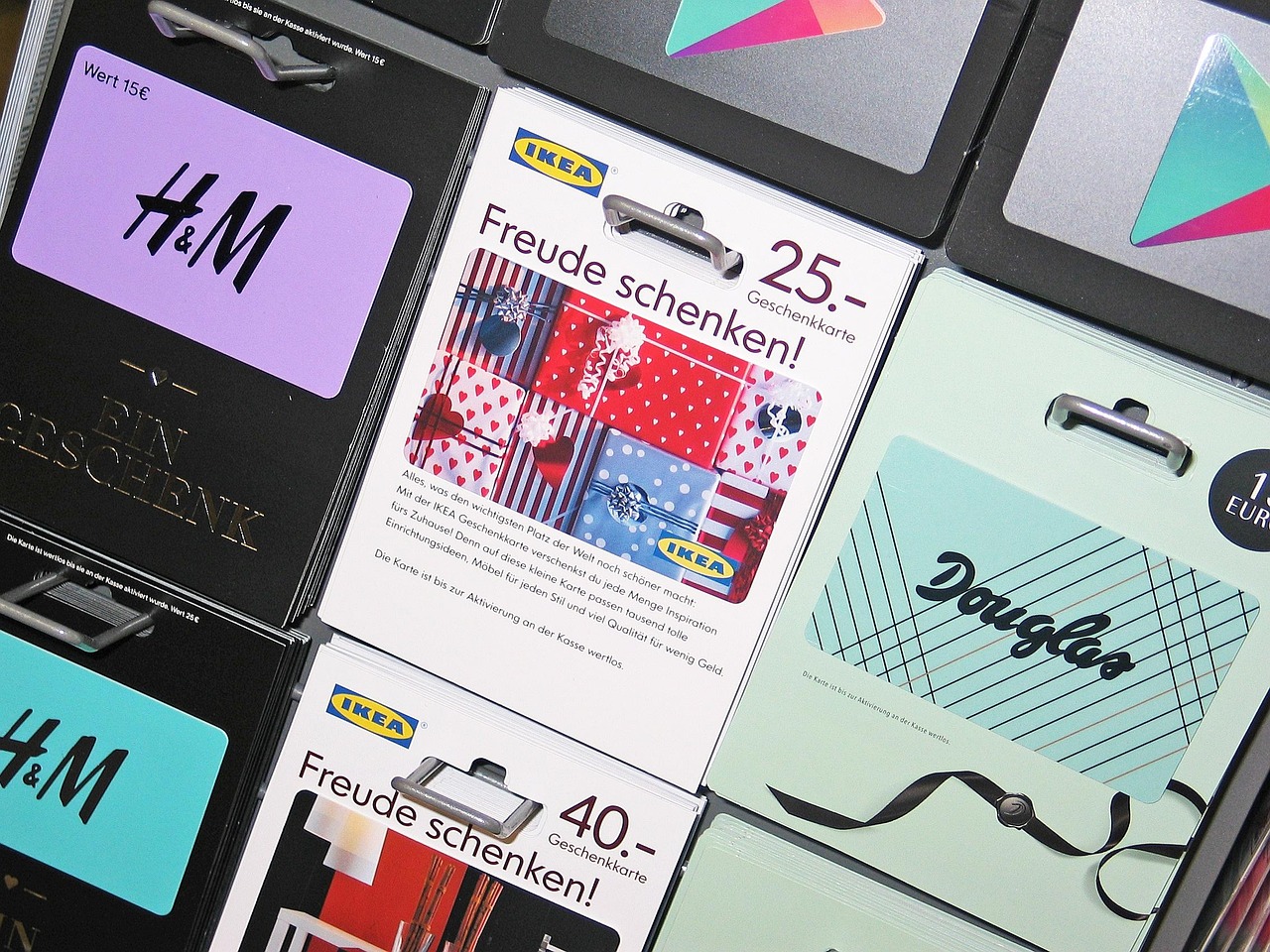
Loyalty and referral programs look simple: reward people for coming back and for bringing friends. In practice many of them fail quietly. Customers sign up, collect a card they never use, and the owner is left with a discount habit and no extra loyalty to show for it.
This guide covers what the research says makes these programs work, how to design a small one you can actually run, how to reward referrals fairly and legally, and how to tell whether any of it is paying off. You do not need a big budget or special software to start.
What loyalty programs are really for
A loyalty program has one job: make a good customer a bit more likely to choose you again. It does not fix poor service, and it does not create loyalty from nothing. Bain's analysis of retention is blunt on this point: relying on discounts to win customers, then raising prices later, does little to keep them, and service that matches your brand promise matters more.
MIT Sloan Management Review's analysis of loyalty schemes found that active participation hovers around half of members, and that members rank money-off rewards highest while also valuing feeling recognized and special almost as much. Its suggestion is to combine a financial reason to come back with an emotional one: a thank-you, an early look at something new, a small unexpected gift. Those cost little and are remembered.
Start with the behavior you want
Before choosing a reward, write down the single behavior you want more of. Examples:
- A second purchase within 60 days of the first.
- More frequent visits from regulars.
- Higher-value orders.
- Customers renewing a service contract.
- Introductions to people like your best customers.
If you cannot name the behavior, the program will turn into a general discount.
Choosing a program shape
Pick the lightest option that matches your business.
| Type | How it works | Good for | Watch out for | |---|---|---|---| | Punch or stamp card | Buy a set number, get one free | Cafés, salons, repair shops | Easy to lose; paper cards give you no data | | Points | Earn per dollar, redeem for rewards | Retail, online stores | Needs tracking; rewards can feel distant | | Tiers | Better perks at higher spend or tenure | Memberships, services with repeat work | Complicated if you add too many levels | | Perks without points | Early access, priority booking, a named contact | Professional services, trades | Must actually be delivered | | Referral rewards | Credit for introducing a new customer | Almost any business | Needs clear rules and honest disclosure |
SCORE's small-business advice is to keep it simple enough to run consistently, to begin with two tiers at most, and to avoid leaning on constant deep discounts to drive visits. The best program, it says, is the one you will consistently run.
Design checklist
- State the goal and the behavior you want.
- Choose one reward customers actually value, not whatever is cheapest to give.
- Decide how a customer joins and how you will recognize them (phone number, email, account).
- Set the rules in plain language: what earns a reward, when it expires, what it cannot be combined with.
- Work out the cost per reward as a share of the order, and make sure margin survives it.
- Decide who can approve exceptions so the rules stay fair.
- Test with your most enthusiastic customers before announcing it widely.
- Pick two numbers to review each month (see the measurement section).
Referral programs: why they are worth the effort
Referred customers often turn out to be better customers. A study of a German bank, summarized by the American Marketing Association, found that referred customers had a lifetime value 16 to 25 percent higher than customers who arrived another way, driven by higher margins and greater loyalty. The researchers explain it two ways: existing customers screen the people they recommend, and people tend to introduce others similar to themselves.
Two cautions from the same summary are useful for any small business. The margin advantage fades over time as other customers become familiar with the firm, so do not expect referrals to stay unusually profitable forever. And the loyalty advantage depends on the relationship with the person who referred them; if the referrer leaves, part of that attachment goes too. In the study, longer-standing customers brought in better referrals, which suggests you should look after your established customers first.
How to structure the reward
- Reward both sides if you can. A small credit for the referrer and an introductory offer for the new customer feels fair to both.
- Pay on a real outcome. Release the reward when the new customer completes a first paid order, not when they merely sign up.
- Keep it modest. In the AMA-summarized study the reward was a small voucher. Rewards that are too large attract people gaming the system rather than genuine recommendations.
- Make asking easy. Give customers a short link, a code, or a card they can hand over.
- Ask at the right moment. Right after a good result, a delivered project or a compliment is when people are happiest to recommend you.
Keep it honest and legal
If you reward people who recommend you, the people they tell should not be misled. The FTC's endorsement guidance says that a payment, gift or other perk that a customer would not expect, and which could affect how much weight their recommendation carries, should be disclosed clearly and close to the recommendation. Incentives should not be tied to positive reviews, and you remain responsible for reasonably monitoring what people say on your behalf. In practice:
- Ask for honest opinions, not five-star ratings.
- Tell referrers to say they get a reward when they share your code publicly (for example "I get a credit if you use this link").
- Do not offer rewards in exchange for reviews that must be positive. Our guide on getting customer reviews ethically goes through what is acceptable.
- If you email your program to customers, follow US email rules on honest headers, a postal address and a working unsubscribe. See email marketing rules for small business.
This is general information, not legal advice; check your state's rules if you run prize draws or discount schemes.
Running the program day to day
A program that depends on someone remembering to update a spreadsheet will lapse within months. Plan the routine:
- Record membership and purchases in one place, ideally the same system where you keep customer records.
- Send a welcome message when someone joins, explaining the reward in one sentence.
- Send a reminder when a customer is close to a reward, and a gentle nudge to those who have not visited for a while.
- Thank referrers personally, even when the reward is automatic.
- Review monthly: new members, rewards redeemed, referral conversions.
SCORE's example of a small post-visit sequence is a good template: a thank-you on day one, a personal offer a few days later, helpful content after a week, an invitation to the loyalty program after two weeks, and a re-engagement message for people who have gone quiet around day 30. Adapt the timing to how often your customers normally buy.
How to tell whether it works
Track a small set of numbers before launch so you have a baseline:
- Repeat purchase rate among members versus non-members.
- Average order value for members.
- Cost of rewards as a share of revenue from members.
- Number of referrals and the share that become paying customers.
- Redemption rate (if almost nobody redeems, the reward is not attractive).
Give it a full buying cycle before judging, and be careful with comparisons: loyal customers join loyalty programs, so members will always look better than non-members. Compare members' behavior before and after joining where you can. For the underlying measures, see our guide to customer retention metrics.
Common mistakes
- Rewarding discounts rather than loyalty. Customers learn to wait for the deal.
- Making it complicated. If the rules take a paragraph to explain, few will use them.
- No data. A paper card cannot tell you who your best customers are.
- Launching to everyone at once. A small trial reveals broken rules cheaply.
- Forgetting disclosure. Referral rewards and public recommendations need honest labeling.
- Never ending or changing the rules badly. Give notice and honor points already earned.
- Ignoring service quality. Rewards cannot cover for a poor experience.
Setting this up in WorkBOS
Loyalty and referral programs need three things: a customer list, a way to record who referred whom, and reminders that fire without anyone remembering. In WorkBOS, contacts and deals in the CRM can carry a referral source field, automations can send a reminder or create a follow-up task when a milestone is reached, and invoicing records let you see what each customer has spent. The docs explain how to set up custom fields and automations, and the pricing page shows which plans include them. Nothing here is a ready-made loyalty engine; it is a way to keep the records and routine in one place. If you already use a point-of-sale loyalty app, you can keep it and use the CRM for the relationship side.
Frequently asked questions
Q: Do small businesses really need a loyalty program? A: Not necessarily. If your customers already return often and you know them by name, a simple thank-you routine may be enough. A formal program helps when you cannot personally remember everyone, or when you want repeat visits to be more frequent.
Q: How big should a referral reward be? A: Large enough to be noticed, small enough that it does not distort behavior. Many small businesses use a modest credit or voucher tied to a first paid order. Test with your best customers and adjust.
Q: Is it legal to pay customers for referrals? A: In general yes, but recommendations made publicly should disclose the reward, and rewards should not be tied to positive reviews. Some industries and states have extra rules, so check before launching and treat this as general information, not legal advice.
Q: Should I use points or a simple stamp card? A: Start with the simplest thing that works. A stamp card or a single free-after-X offer is easier to run than a points system, and you can always add tiers later once the basics run smoothly.
Q: How long before I see results? A: Allow at least one or two normal buying cycles. For a weekly-visit café that may be a couple of months; for a service you buy once a year it may be a full year.
Sources are linked in the text above: Bain & Company, American Marketing Association (also referenced: MIT Sloan Management Review, FTC endorsement guidance, SCORE).
Run it all from one place
Projects, clients, finance, people and AI employees in one system. Start free, no card needed.
Start free →